SAMSACU SCIENTIFIC RESEARCH
In alignment with the global agenda of SDG 9 to build resilient infrastructure, promote inclusive and sustainable industrialization, and foster innovation, SamSACU recognises the important role of small-scale enterprises (SMEs) and innovation-oriented start-ups in driving economic growth, employment and technological advancement. Consequently, the university has adopted a comprehensive institutional policy and action framework to support access, integration and innovation of small-scale industrial and entrepreneurial initiatives, especially within the regional context of Uzbekistan and the Central Asian region.
Key components of SamSACU’s policy on SDG 9.3:
1.Entrepreneurial Education and Incubation Support
SamSACU has established an Entrepreneurship and Innovation Hub within its campus, which offers training programmes, mentorship and access to initial seed funding for students, graduates and regional entrepreneurs. The Hub focuses particularly on small-scale manufacturing, handicrafts, green technologies and construction-innovation start-ups, enabling enterprises to transition from concept to marketable product or service.
Linkages to Value Chains and Market Access
The university facilitates linkages between student-led and community-led small enterprises and regional value chains in the architecture, construction and sustainable building materials sectors. SamSACU actively engages with local manufacturers, construction firms and building-materials suppliers to create pathways for collaborative projects, pilot production runs and market exposure for SMEs.
•Access to Financial Services
Recognising that access to affordable finance is a major barrier for small-scale enterprises, SamDAQU in partnership with local banks and micro-finance organisations has established preferential credit lines, micro-loan programmes and guarantee mechanisms dedicated to graduate start-ups and small-scale industrial venture teams emerging from university programmes. These financial instruments aim to ease entry into production, processing or value-addition activities and link them with commercial supply chains.
•Supportive Institutional Infrastructure
To support the sustainable growth of small enterprises, the university provides workshop spaces, prototyping labs, 3D-printing facilities and materials-testing laboratories accessible to start-ups and small manufacturing teams. This institutional infrastructure helps translate innovative student projects into viable industrial prototypes, aligning with the SDG 9 objective of fostering innovation within industries.
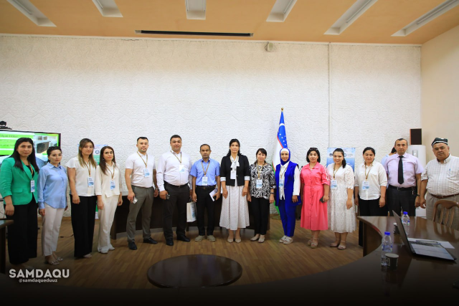
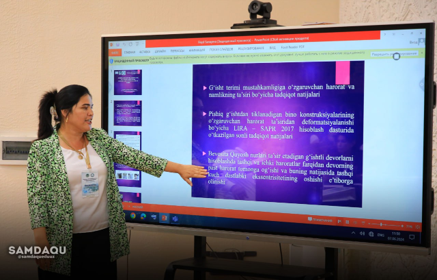
At the Mirzo Ulugʻbek Samarkand State University of Architecture and Construction, a scientific-practical conference was held on the topic “Issues of Implementing Innovative Achievements of Modern Science in the Field of Architecture and Construction.”
At the opening ceremony, Usmon Khushvakhtov, Coordinator of the Scientific Research and Project Coordination Department; Perviz Ahmedzade, Dean of the Higher School of Science; and Dilnoza Kamalova, Dean of the Faculty of Architecture, delivered their congratulatory speeches and wished success to the conference participants.
The main purpose of today’s conference was to comprehensively analyze ongoing scientific research and to focus special attention on supporting the scientific activities of students and young researchers, enhancing their international training opportunities, and encouraging promising research initiatives.
Samarkand State University of Architecture and Construction (SamSACU) effectively organizes its activities by integrating education, scientific research, innovation, and production processes. To strengthen these areas, the university cooperates with a number of subordinate institutions and centers established under its structure or with its initiative.
The main institutions operating under SamSACU are:
🏛 Center for Architecture and Construction Innovations – focuses on innovative project development, 3D modeling, testing of construction materials, and implementation of new technologies.
🌱 “Green Campus” Environmental Center – promotes ecological projects, waste reduction, recycling, green infrastructure, and sustainable development.
🧱 Construction Laboratories Complex – conducts quality tests of construction materials such as soil, concrete, and metal structures.
💡 Startup and Innovation Incubator – supports students and young researchers in transforming innovative ideas into real projects, preparing business plans, and obtaining financial assistance.
📚 Scientific Research Center – carries out research in architecture, urban planning, ecology, and sustainable construction.
🏫 Academic Lyceum and Technical Colleges – provide pre-university and vocational training to develop a qualified human resource base for the university.
These institutions contribute significantly to enhancing the university’s scientific, educational, and practical potential, as well as to the innovative and sustainable development of the region.