Clean Energy for a Sustainable Tomorrow
Department of Mechanical Engineering (Formerly Heating, Gas Supply, and Ventilation Department)
The Department of Mechanical Engineering at Samarkand State Architectural and Civil Engineering University traces its origins back to 1967, when it was initially established as the Sanitary Engineering Department. Over the years, the department underwent several renamings and reorganizations in accordance with evolving academic programs, including:
•Heating, Gas Supply, and Ventilation (1972–1997),
•Construction of Engineering Communications and Ecology (1997–2000),
•Heating, Gas Supply, Ventilation, and Environmental Protection (2001–2005),
•Heating, Gas Supply, and Life Safety (2012–2015),
•Heating, Gas Supply, Ventilation, and Service (2015–2023),
and since August 2023, it has been operating under its current name Mechanical Engineering.
Today, the department employs 13 academic staff members, including Doctor of Technical Sciences (DSc) Professor S.M. Boboyev, PhD Professor A.T. Kholmanov, and several PhD holders and senior lecturers, including R.M. Maxmudov, Q.Yu. Abdullayev, M.M. Eshmatov, X.R. Burxonov, Z.I. Kholmurodova, R.R. Aymatov, M.D. Uzboyev, Z.X. Fayziyev, Sh.X. Taniberdiyev, O.X. Omonqulov, and Sh.Z. Yuzbayeva.
The department continues to focus on training highly qualified specialists in mechanical engineering, heating, gas supply, ventilation, and related fields, combining modern educational approaches with practical, industry-oriented experience. It remains committed to academic excellence, research, and preparing skilled professionals to meet the demands of Uzbekistan’s engineering and construction sectors.
The Department of Mechanical Engineering trains specialists in the following fields:
BACHELOR’S PROGRAMS:
•60713500 – Mechanical Engineering
•60730400 – Construction and Installation of Engineering Communications
•60112400 – Professional Education (Construction and Installation of Engineering Communications)
MASTER’S PROGRAMS:
•70730401 – Construction and Installation of Engineering Communication Networks (by types)
POSTGRADUATE (PhD) PROGRAMS:
•05.09.03 – Heat Supply, Ventilation, Air Conditioning, Gas Supply, and Lighting
•05.05.06 – Energy Equipment Based on Renewable Energy Sources
PhD Academic Council No. 26/27.02.2020.T.109.01 awards scientific degrees in the following specialties:
•05.09.03 – Heat Supply, Ventilation, Air Conditioning, Gas Supply, and Lighting
•13.00.02 – “Theory and Methods of Education and Upbringing” (in technical sciences)
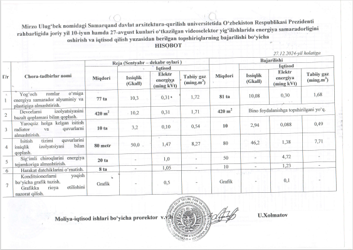
Samarkand State Architecture and Construction University (SamSACU) has an established policy to ensure compliance with energy efficiency standards for all new construction and renovation projects. This policy is based on the regulatory documents of the Ministry of Construction and Housing and Communal Services of the Republic of Uzbekistan regarding the implementation of energy-saving technologies in construction. Each year, the university develops and approves an annual energy efficiency plan within the framework of the “Green Campus” concept. According to this plan, measures such as improving building insulation, replacing lighting systems with LED technologies, implementing natural ventilation, and installing solar panels are gradually carried out. All processes are subject to regular monitoring by the university’s technical department and environmental officers, with progress reports prepared accordingly. Through this approach, SamSACU aims to transform its infrastructure into an energy-efficient, sustainable, and environmentally responsible system.
Samarkand State Architecture and Construction University has developed a strategic plan for energy efficiency covering the period 2025–2030. This long-term strategy aims to optimize energy consumption across campus facilities, promote the use of renewable and clean energy sources, and implement sustainable energy practices in both academic and administrative operations.
The plan outlines specific measures, including:
•Upgrading existing infrastructure to improve energy efficiency,
•Introducing modern energy-saving technologies in buildings and laboratories,
•Promoting energy-conscious behavior among students, faculty, and staff,
•Integrating energy efficiency principles into the curriculum to foster awareness and practical skills in future engineers.
Through this strategic initiative, the university seeks to reduce its environmental footprint, lower operational costs, and serve as a model of sustainable energy management for higher education institutions in Uzbekistan and the region.9
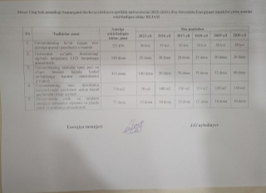
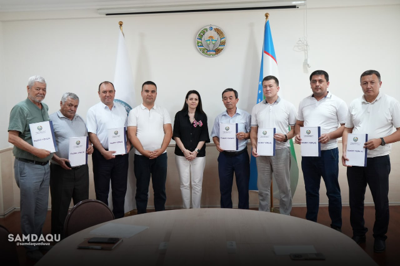
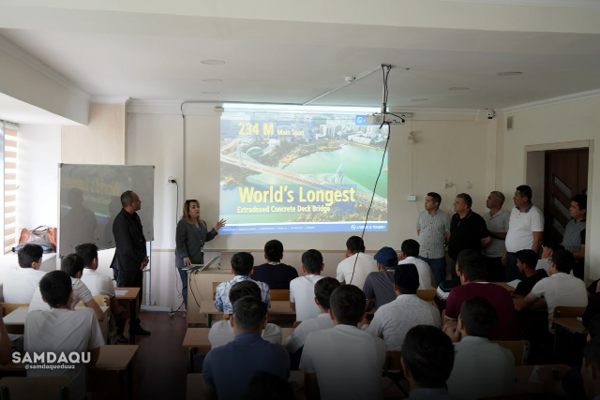
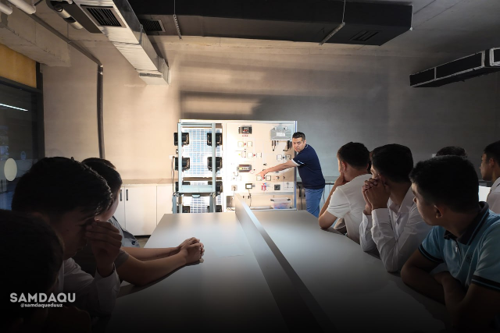
On August 27, 2024, under the leadership of the President of the Republic of Uzbekistan, a meeting was held dedicated to enhancing energy efficiency and expanding the use of alternative energy sources. Following the directives outlined at this meeting and in accordance with the relevant order of the Ministry of Higher Education, Science, and Innovation, professors from the Department of Mechanical Engineering at Samarkand State Architecture and Construction University conducted official field visits across various regions.
During these visits, specialists scientifically studied issues related to energy conservation, implementation of renewable energy sources, and their efficient utilization in the districts and cities of Samarkand, Jizzakh, Sirdaryo, Qashqadaryo, Surkhandaryo, Bukhara, Khorezm, and the Republic of Karakalpakstan. The professors also provided regional organizations with their scientific recommendations and proposals to enhance energy efficiency.
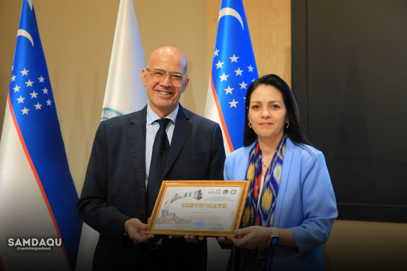
In recognition of their contributions, seven faculty members were awarded honorary certificates by the university rector, Dr. Chidem Turkyilmaz, on behalf of the Ministry of Higher Education, Science, and Innovation. These initiatives represent a significant step forward in promoting energy efficiency and ecological sustainability across Uzbekistan.
Representatives of L&T Construction, including Mr. Saylesh Jayswal, the Head of HR for CIS countries, paid a visit to Samarkand State Architecture and Civil Engineering University named after Mirzo Ulugbek.
During the visit, a meeting was held at the university’s main building with approximately 70 graduating students.
At the meeting, L&T Construction representatives expressed their intention to recruit graduates in the fields of Environmental Engineering, Electrical Engineering, Occupational Safety, and Renewable Energy through interview-based selection.
At Samarkand State Architecture and Construction University named after Mirzo Ulug‘bek, a masterclass on “Energy Efficiency” was conducted by Zafar Fayziyev, Head of the Department of Mechanical Engineering, for students of the Paxtachi District Specialized Boarding School.
During the session, students gained valuable insights into the importance of energy efficiency, modern technologies, and innovative solutions. It was emphasized that improving energy efficiency not only brings economic benefits but also plays a crucial role in reducing environmental challenges.
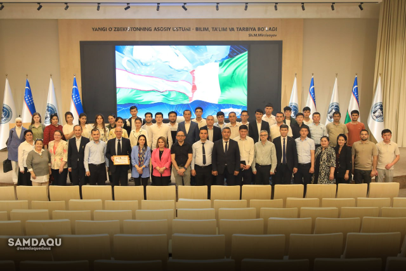
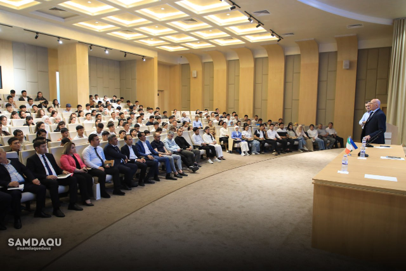
At Samarkand State Architecture and Construction University (SamSACU), an international seminar was held with the participation of university leadership, faculty, and students, conducted by Italian expert N. Gaetano Crisci.
The seminar was opened by University Rector Dr. Chidem Turkyilmaz, after which the foreign specialist shared his professional experience and future plans, providing students with valuable advice and recommendations.
Gaetano Crisci is an expert with over 35 years of international managerial experience in construction, engineering, and energy sectors. He has led major infrastructure, oil and gas, and renewable energy projects in Italy, Africa, Eastern Europe, and Central Asia. He has also been actively involved in consulting, tender management, startups, and international cooperation with universities.
At the end of the seminar, participants had the opportunity to ask questions. Gaetano Crisci expressed his intention to collaborate with the university, working regularly with students and engaging talented youth in his international projects.
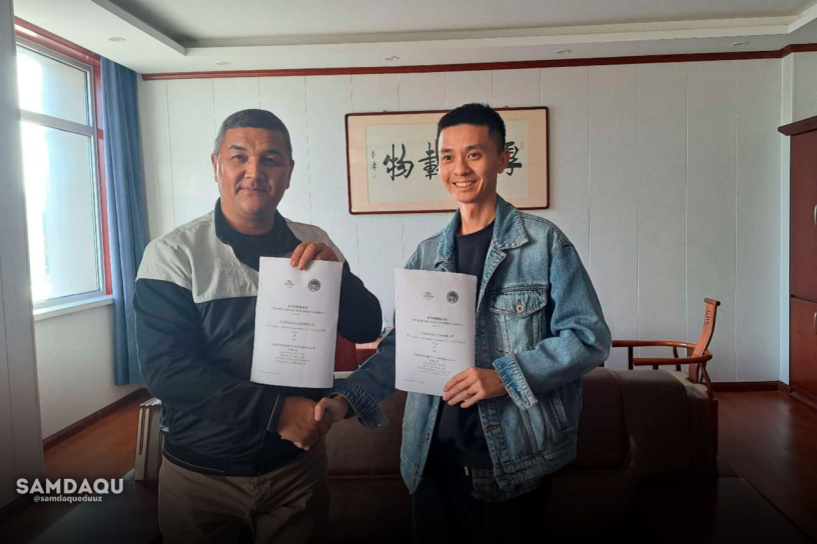
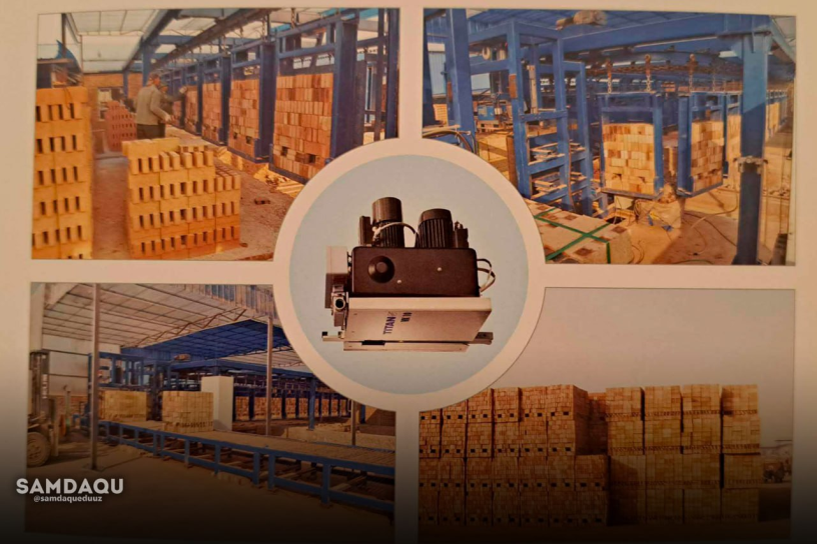
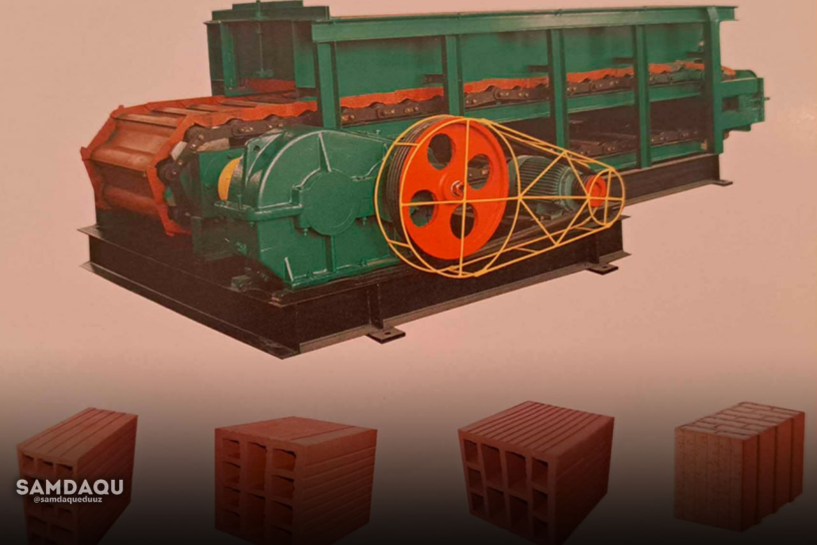
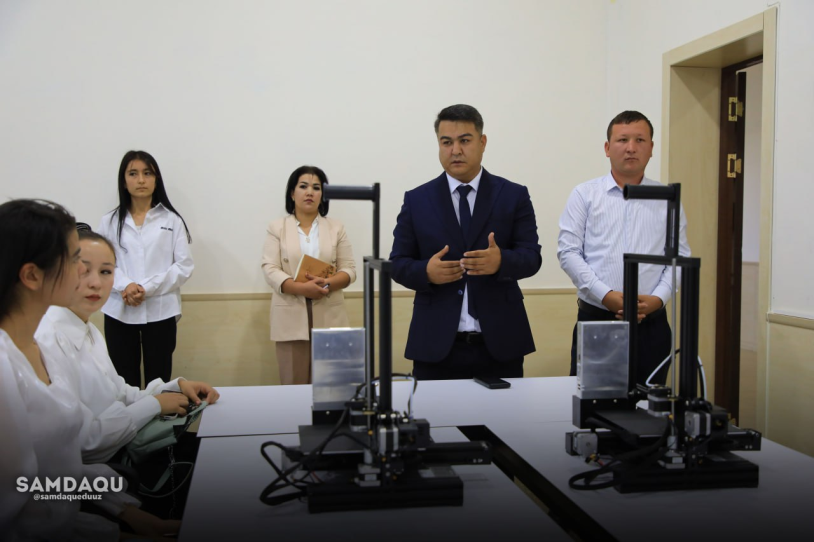
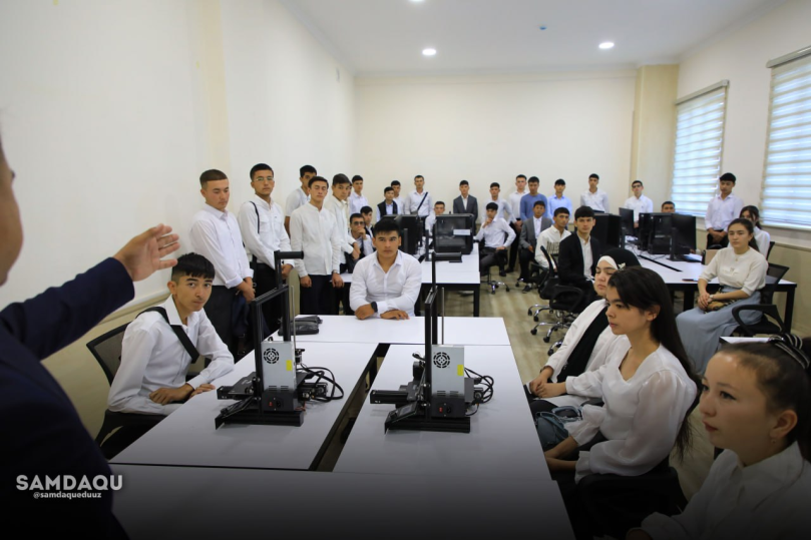
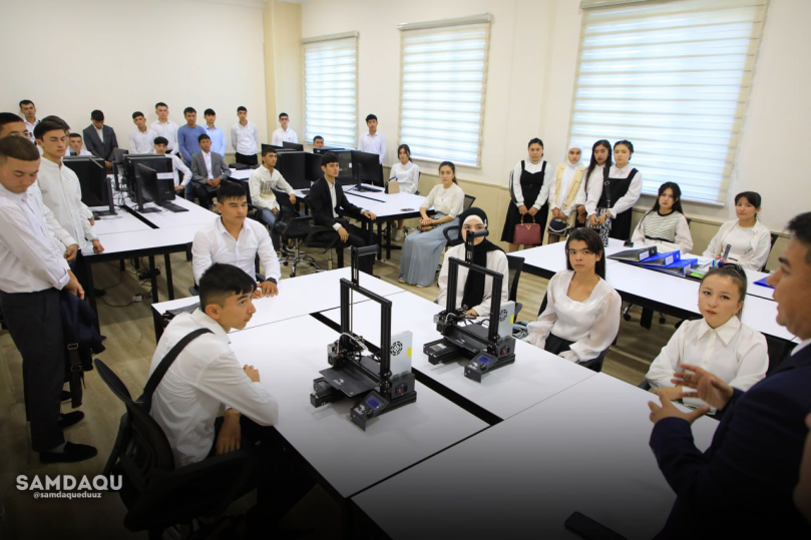
At Samarkand State Architecture and Construction University (SamDAQU), the “Incubation” Center, located within the “Master Plan” Center, as well as the “Start-up” and “Coworking” Centers, have been established. In accordance with paragraph 10 of the Decree No. PQ-416 dated November 8, 2022, of the President of the Republic of Uzbekistan, 971 million UZS from the local budget, with the support of the Samarkand Regional Administration, was allocated for the equipment and operational launch of this center.The “Incubation” Center now offers training courses across several key areas to prepare highly qualified specialists:Topographic surveyingMaster planning (gen plan) + AutoCADArcGISArchitectureStructural engineering + Lira SAPR + SAPFIRHeating, cooling, and ventilation systemsWastewater managementConstruction project costing (estimation) + ABCElectrical installation worksGas pipeline installation worksConstruction organization technologyAppraisal servicesMicrosoft OfficeLandscape, interior, and exterior design + 3Ds MaxIn addition, partnership agreements have been signed with Xing Tai Lang Tai Agricultural Technology Co. Ltd. (located in Chingtai, China) and Hebei Lakoo Automation Equipment Co. Ltd. (Hebei, China) to attract investment into the Incubation Center. It was further agreed that these investment funds will be directed toward the production of energy-efficient technologies.
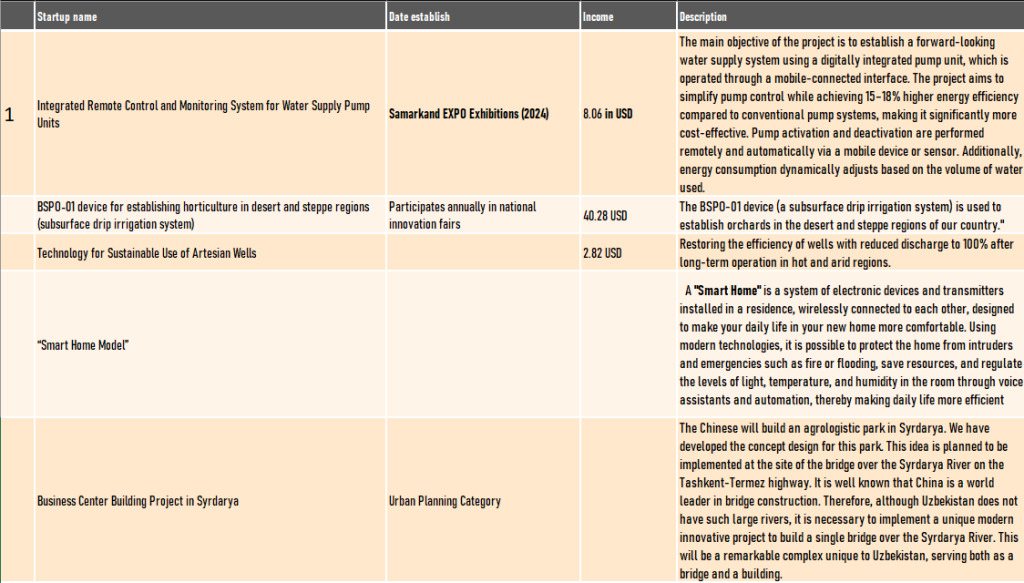
In 2024, the above-mentioned startup projects were successfully developed.
These startups not only implemented innovative ideas into practice but also enhanced efficiency in various sectors through the use of modern technologies, contributing to sustainable development and enabling young professionals to demonstrate their creative potential. Each project introduced new solutions in its respective field, offering contemporary approaches to pressing issues in economics, education, ecology, and urban development. Thus, the year 2024 has become a significant milestone in the development of the startup ecosystem in our country — promoting innovative thinking, supporting youth initiatives, and fostering a culture of creativity and progress.