WATER RESEARCH IN SAMSACU
“Building a Future with Clean Water for All.”
Department of Environmental Engineering at Samarkand State Architecture and Civil Engineering UniversityThe Department of Environmental Engineering is one of the leading academic and research units at Samarkand State Architecture and Civil Engineering University (SamSACU). The department is dedicated to training highly qualified specialists in the fields of environmental protection, ecological sustainability, water resources management, and environmental engineering.Currently, the department employs 22 academic staff members, including 3 Doctors of Science (DSc) and 5 PhD holders. The faculty members possess strong academic backgrounds and extensive professional experience, contributing actively to both education and research aimed at promoting sustainable development and environmental safety.Throughout 2024, the department’s professors and researchers published around 30 scientific articles in prestigious national and international journals
These publications focused on topics related to aquatic ecosystems, sustainable water resource management, ecological balance, and environmental protection. Their research plays an essential role in improving water resource management systems in Uzbekistan, addressing environmental challenges in the Aral Sea region, and promoting long-term water sustainability.The department also encourages student and young researcher participation in scientific projects, international conferences, and environmental initiatives, strengthening academic collaboration and innovation in sustainability science.Through its teaching and research activities, the Department of Environmental Engineering continues to make significant contributions toward achieving United Nations Sustainable Development Goal 6 (Clean Water and Sanitation) — ensuring availability and sustainable management of water and sanitation for all.
To date, the staff of the Department of Environmental Engineering have published over 2,000 scientific articles and theses, including 20 authorship certificates and patents. The department’s faculty members actively participate every year in various scientific and practical conferences at national and international levels, delivering presentations and sharing research outcomes.Notably, the department has organized international and national scientific-practical conferences in 1993, 1996, 2004, 2007, 2010, 2014, and 2020. In 2014 and 2015, the department hosted republican scientific-practical conferences on engineering communications development and environmental issues, which were attended by scientists and specialists from across Uzbekistan and CIS countries.In 2012, the department established international scientific relations with foreign institutions, including Italy’s Pump Manufacturing Company, Kyiv National University of Construction and Architecture (Ukraine), Moscow and St. Petersburg State Universities of Civil Engineering (Russia), and the Institute of Railway Engineers. Collaborative work has been carried out in several scientific and technical areas.The department successfully won an international Tempus project grant titled “UZ Water – Water Resource Management”, which involves scientific and practical collaboration between partner countries — Sweden, Poland, Latvia, Lithuania, and Uzbekistan. The project aims to enhance research capacity and promote sustainable management of water resources.
Educational Programs Offered by the Department
Bachelor’s Programs:
60713400 – Environmental Engineering
60730500 – Design and Operation of Water Supply and Sewerage Systems
60730400 – Construction and Installation of Engineering Communications
60112400 – Professional Education (Engineering Communications)
60710400 – Ecology and Environmental Protection (by sectors and fields)
Master’s Programs:
70710404 – Wastewater Treatment and Water Resources Protection
70730401 – Construction and Installation of Engineering Communication Networks
PhD Academic CouncilThe PhD Scientific Council No. 26/26.01.2023.T.109.03 awards scientific degrees in the following specializations:
05.09.04 – Water Supply, Sewerage, and Water Protection Engineering Systems
05.09.06 – Hydraulic Engineering and Land Reclamation Construction
05.09.07 – Hydraulics and Engineering Hydrology

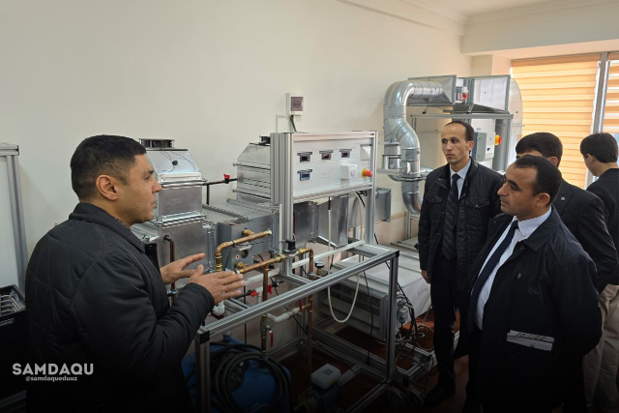
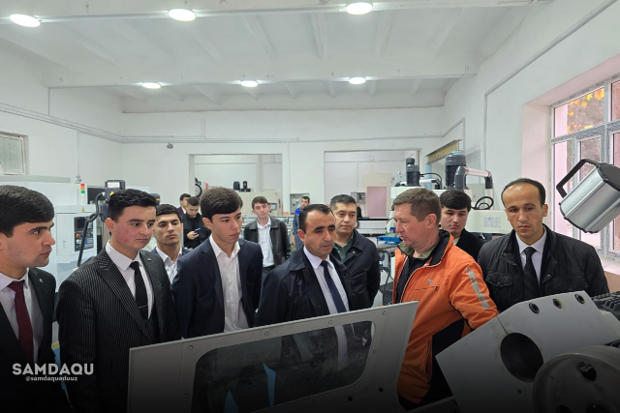
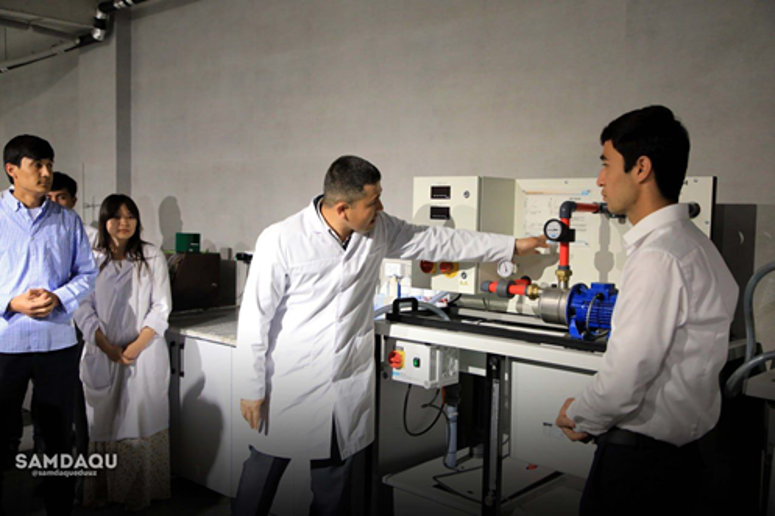
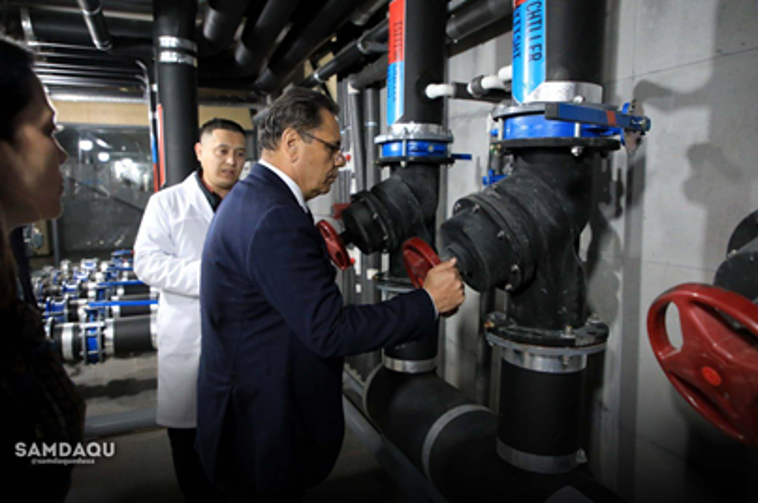
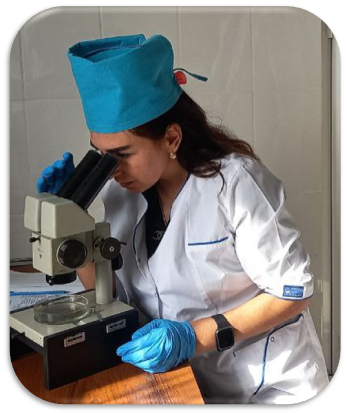
At our university, there are specially equipped laboratory facilities that allow students—including master’s and doctoral candidates—to participate in research activities alongside professors and academic staff. Additionally, the laboratory hosts high-level specialists who conduct forecasts on the use of water resources in our country.
Currently, several doctoral students, under the guidance of their academic supervisors, are actively engaged in studying various types of drinking and wastewater and introducing innovative technologies into the field.
6.3.1 Key Facility in Samarkand Region:
Facility Name: Wastewater Treatment Plant under “Samarkand Water Supply” LLC
Location: Samarkand City
Function: Treatment of municipal wastewater and water recycling through technological processes
Partnerships: “Uzsuvta’minot” JSC, World Bank, Government of Switzerland, Korea Water Resources Corporation
Objective: To enhance efficiency and ensure environmental safety through modern technologies.
Samarkand State University of Architecture is home to leading experts in this field, and its doctoral students are currently implementing several innovative technologies at this facility. In the wastewater laboratory, physical, chemical, and biological indicators are analyzed—playing a crucial role in determining the level of pollution and selecting appropriate treatment technologies.
University specialists analyze the following key indicators:
1. Physical Indicators:
•Color: Visual changes in water appearance
•Turbidity: Amount of suspended particles in the water
•Temperature: Affects biological activity
•Odor: Indicates organic or chemical contamination
2. Chemical Indicators:
•pH Level: Indicates whether the water is acidic or alkaline
•Biochemical Oxygen Demand (BOD): Amount of oxygen required by microorganisms to decompose organic matter
•Chemical Oxygen Demand (COD): Amount of oxygen required by chemical agents to oxidize organic substancesAmmonium, Nitrate, Nitrite: Nitrogen compounds indicating the level of contamination
Heavy Metals (e.g., lead, cadmium, mercury): Originate from industrial waste
Phosphates: Pollution resulting from detergents and fertilizers
3. Biological Indicators
•Microorganisms (E. coli, coliform bacteria): Used to assess hygienic safety
•Parasites: May pose health risks
Purpose of Analysis
•Designing wastewater treatment facilities
•Verifying compliance of discharged water with environmental standardsAssessing the ecological impact of industrial processes
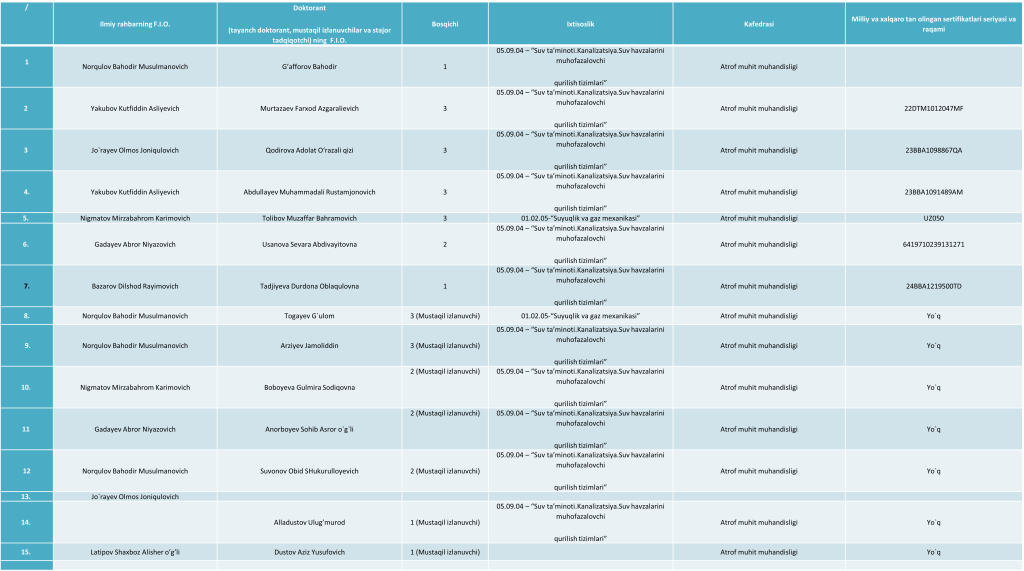
During this academic year, the Department of Environmental Engineering admitted 10 students on a scholarship basis and 9 students on a tuition-contract basis. Additionally, 8 second-year master’s students are actively working on large-scale innovative scientific projects under the supervision of their academic advisors.
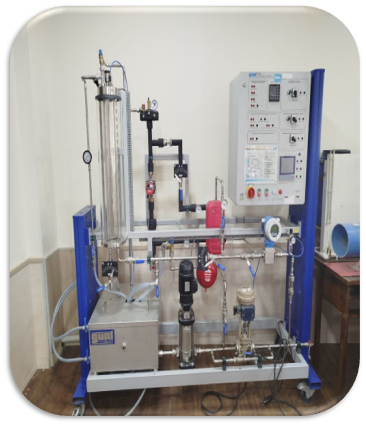
The table below presents the main equipment used in university laboratories for water resources and wastewater research, along with their measurement functions and units. These instruments are utilized to assess water quality, determine pollution levels, and conduct hydrotechnical investigations.
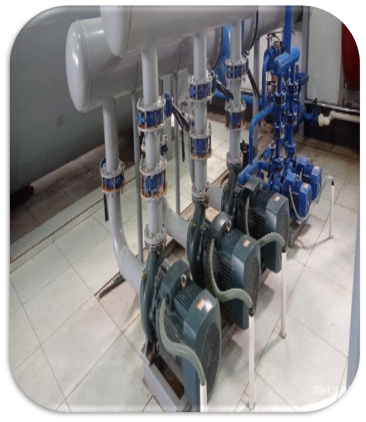
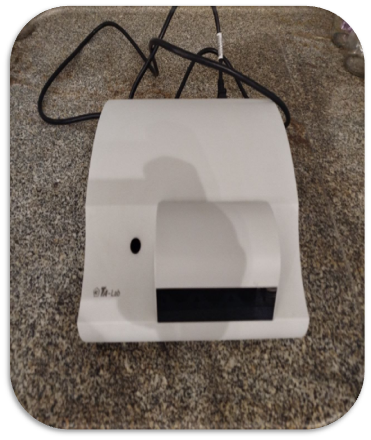
| Unit name | Measurement function | Units of measurement / quantity |
| pH meter | Determining the alkaline or acidic state of water | pH (range 0–14) |
| Turbidimeter | Measuring water turbidity | NTU (Nephelometric Turbidity Unit) |
| Conductometer | Determining the electrical conductivity of water | µS/cm (microsiemens/centimeter) |
| Spectrophotometer | Determination of the concentration of chemicals in water | mg/l or ppm |
| BOD incubator | Determination of Biological Oxygen Demand (BOD) | mg/l (5-day test) |
| TDS meter | Measuring total dissolved solids | ppm (parts per million) |
| Water level gauge (nivometer) | Water level detection | sm, m |
| Manometer | Pump pressure measurement | bar, Pa |
| Laboratory pump | Water sample conversion and filtration | l/min (liter/minute) |
| Filter flask and vacuum pump | Water filtration and particle separation | micron level filtration |
| Refractometer | Determining the concentration of solutions in water | % or refractive index |
| Water temperature sensor | Measuring water temperature | °C (degrees Celsius) |
6.3.3 Drinking Water
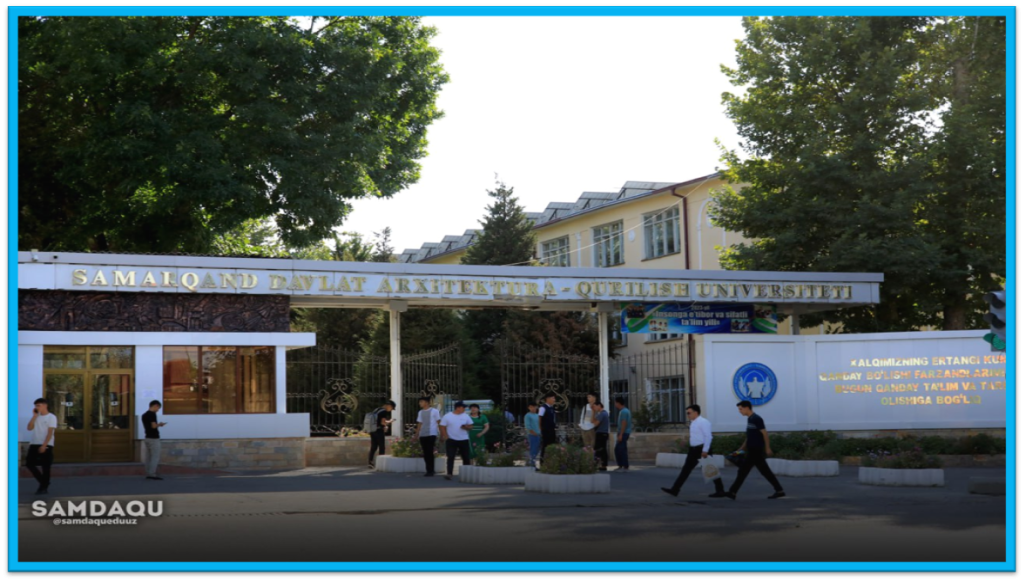
In the Samarkand region, drinking water is primarily sourced from underground water through wells. Additionally, Samarkand State University of Architecture and Construction (SamDAQU) independently manages its own drinking water supply needs. Various water quality parameters are regularly analyzed in the laboratory.
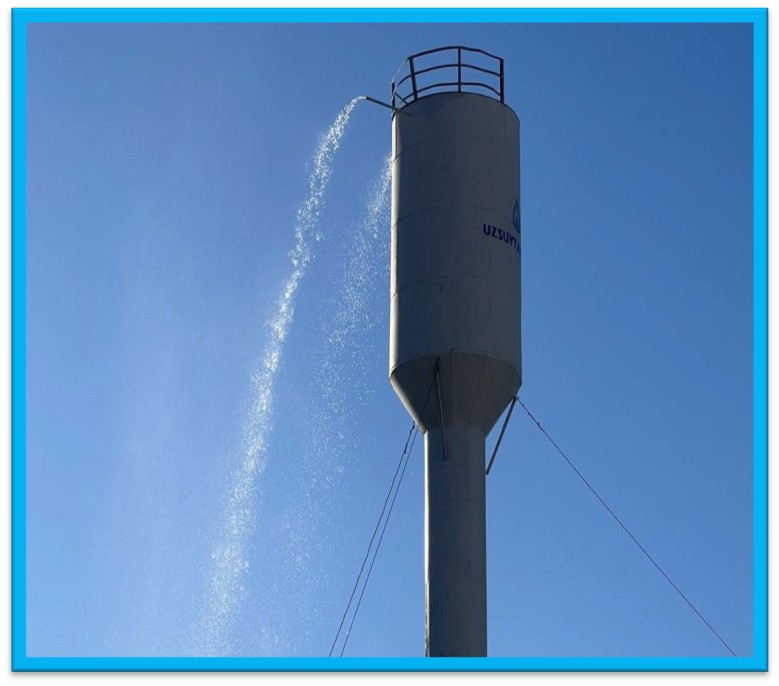
To ensure water continuity, several 20 m³ iron-structured storage tanks have been installed. Each room in the academic building is equipped with modern hot and cold water systems. There are clean drinking water fountains located throughout the university campus, providing convenience for students, faculty, and visitors alike.
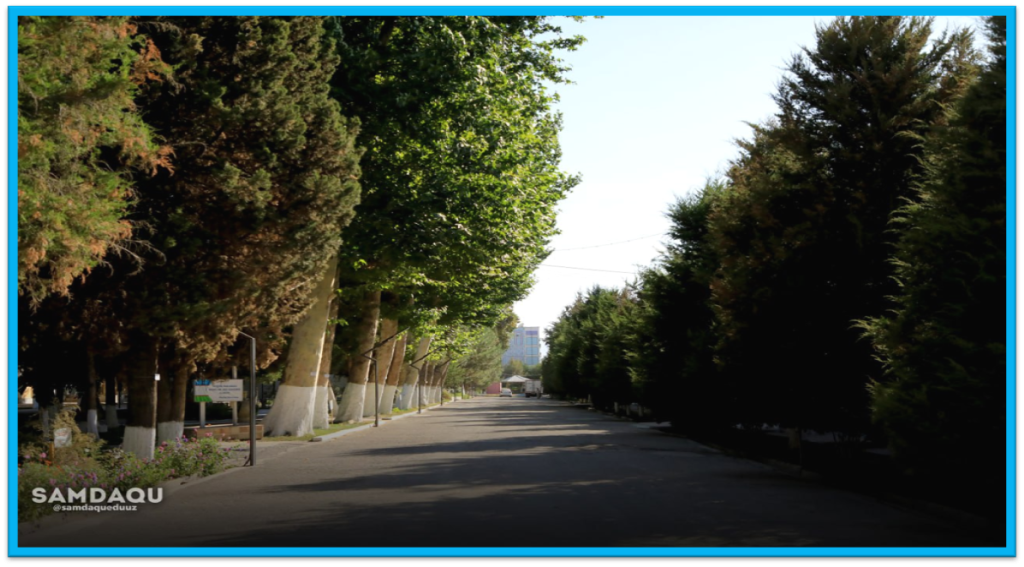
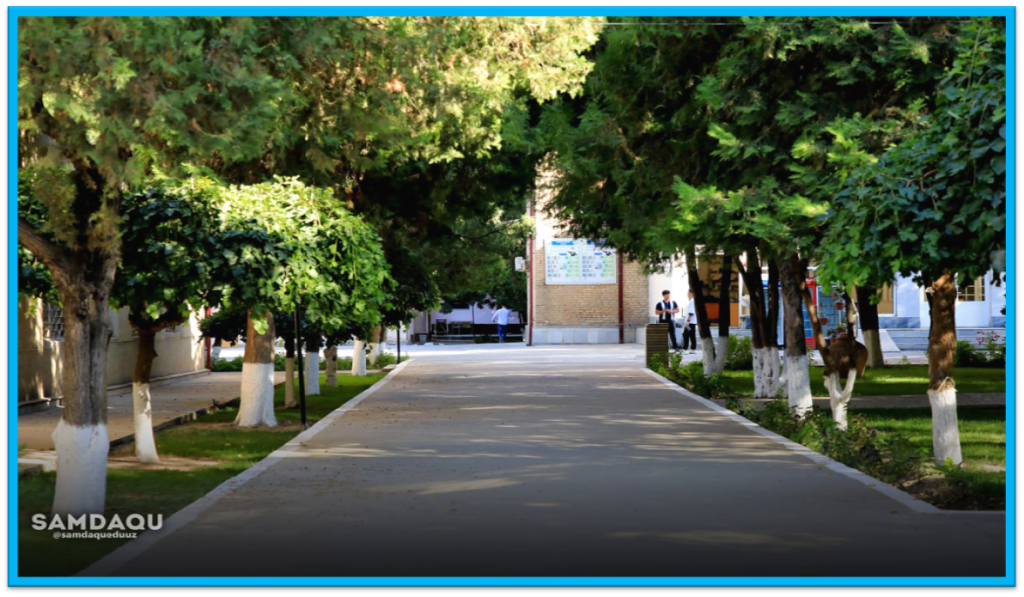
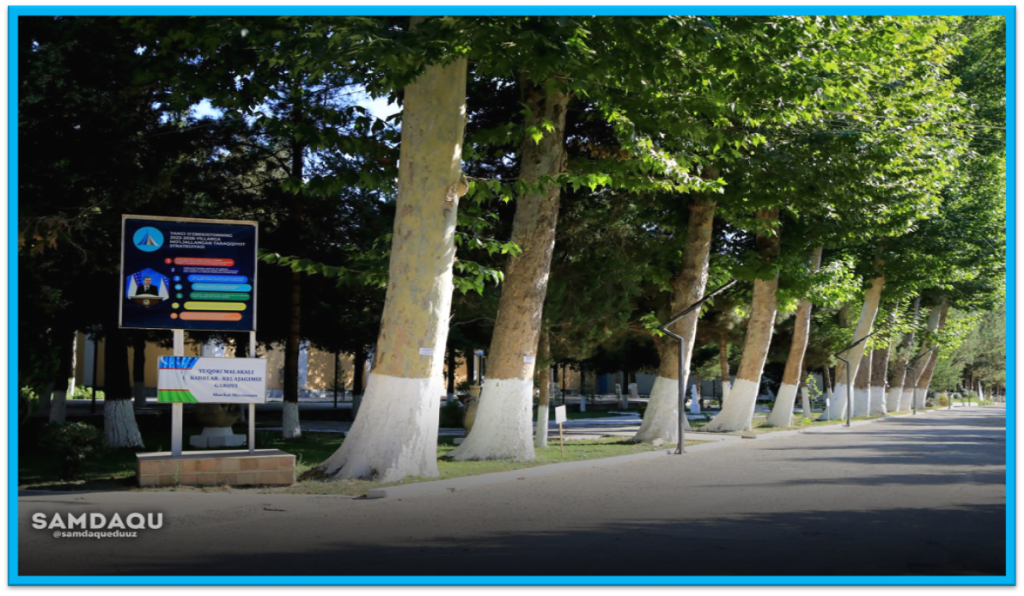
The total volume of water used for drinking and irrigation purposes at the university amounts to 135,000 cubic meters. More than 2,500 trees and over 8,000 square meters of green lawn have been planted across the campus. The majority of the trees are drought-resistant species. Around 50 fruit trees and approximately 30 ornamental tree varieties have also been planted.
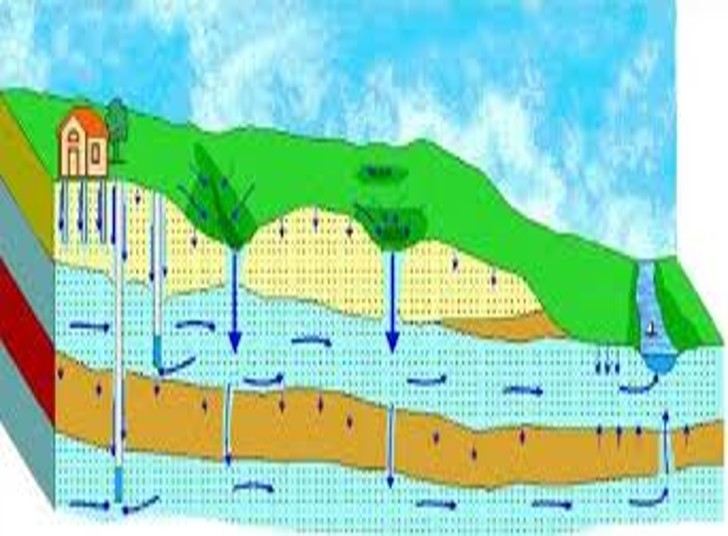
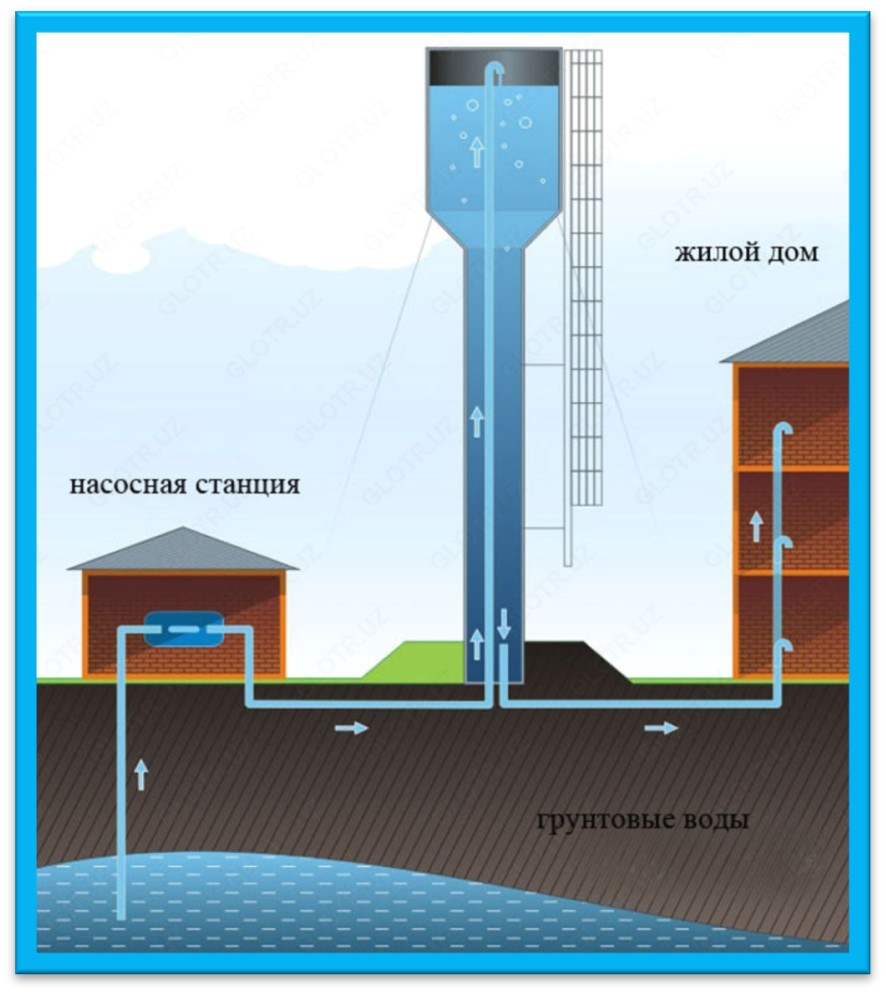
In the Samarkand region, groundwater is primarily used for drinking and agricultural purposes. In Uzbekistan as a whole, a significant portion of groundwater is utilized for irrigation and is extracted through pumping stations and wells.
Composition and Characteristics of Groundwater in the Samarkand Region
Water Sources: In Samarkand, groundwater is drawn from aquifers located in the Zarafshan Valley, foothill areas, and lowland plains.
Composition:
•Mineralization level: 0.3–1.0 g/l (suitable for drinking)
•pH level: 6.5–8.0 (neutral or slightly alkaline)
•Salt content: Includes carbonates, sulfates, and chlorides
•Microbiological condition: Must meet sanitary standards
Characteristics:
•Water suitable for drinking is mainly extracted from wells located in foothill areas Groundwater from lowland regions is primarily used for technical and irrigation purposes
Groundwater Wells and Pumping Stations in Uzbekistan
Number of Wells:
There are thousands of groundwater wells across Uzbekistan, managed by “Uzsuvta’minot” JSC and local enterprises.
Pumping Stations:
•Types: Centralized (for urban areas) and local (for rural areas)
•Locations: Numerous stations operate in regions such as Samarkand, Bukhara, Kashkadarya, and the Fergana Valley
Technical Specifications
•Pump capacity: 5–50 liters per second
•Depth range: 30–250 meters
•Well types: Artesian, filtered, and pressurized
•Monitoring: Since 2024, all pumps have been equipped with metering devices
11,000+
22,000+
Samarqand, Qashqadaryo, Farg’ona
Number of pumping stations
Number of active wells
Regions with the highest number of pumping stations
Main directions of water consumption
85%
15%
15%
Agriculture
Drinking water
Industrial technician
6.3.4 Construction Standards for Water Resource Utilization
Construction standards for water resource utilization are applied in universities. These standards are based on the building codes and sanitary regulations of the Republic of Uzbekistan.
🏗️ Construction Standards and Water System Schematics
The following water systems and their dimensions are typically used in university buildings:
1. Drinking Water Distribution System
•Pipe diameter: 25–100 mm
•Materials: Galvanized steel, polypropylene (PPR), polyethylene (PE)
•Pressure level: 3–6 bar
2. Wastewater Drainage System
•Pipe diameter:
•50 mm (sink)
•110 mm (toilet)
•160 mm (main collector)
•Materials: PVC or HDPE
•Slope: 1–2% (for gravity flow of wastewater)
Drinking Water Layout
•Inlet point: Ø50 mm
•Branching: Ø25 mm (rooms), Ø32 mm (laboratories)
•Pump platform dimensions: 1.5 m × 1.2 m
•Water reservoir: 2 m³ volume, 1.5 m height
Wastewater Layout
•Toilet outlet: Ø110 mm
•Sink outlet: Ø50 mm
•Connection to collector: Ø160 mm
•Inspection well: Every 25 meters
Water Consumption Standards per Person
According to the construction norms of the Republic of Uzbekistan, the following water consumption standards are applied in universities:
QMQ 2.04.01-97 — Drinking Water Supply
•Pressure requirements: Between 2.5 and 6 bar
•Pipe materials: Galvanized steel, polyethylene (PE), polypropylene (PPR)
QMQ 2.04.02-97 — Wastewater System
•Pipe diameters:
•50 mm (sink)
•110 mm (toilet)
•160 mm (main collector)
•Slope: 1–2% (for gravity flow)
•Inspection wells: Installed every 25–30 meters
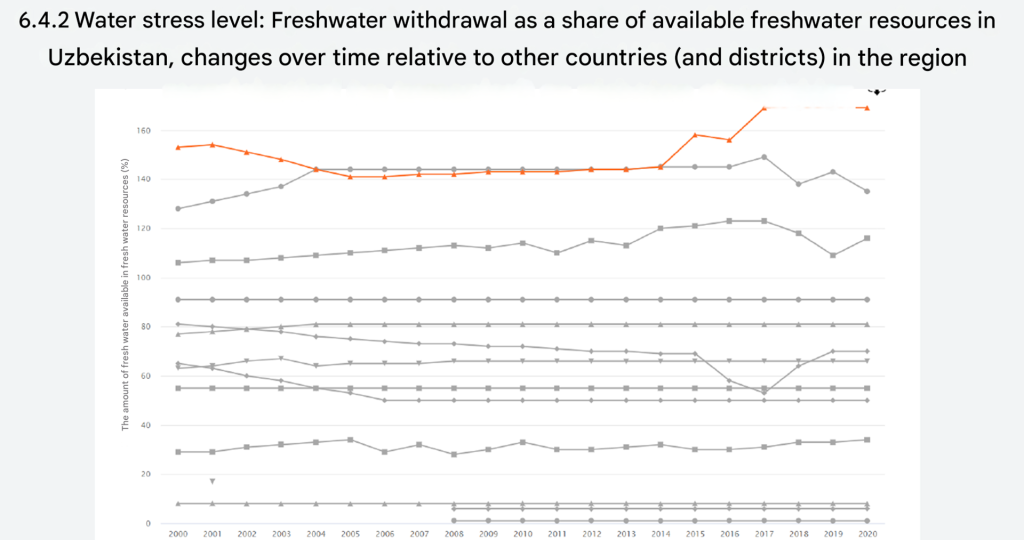
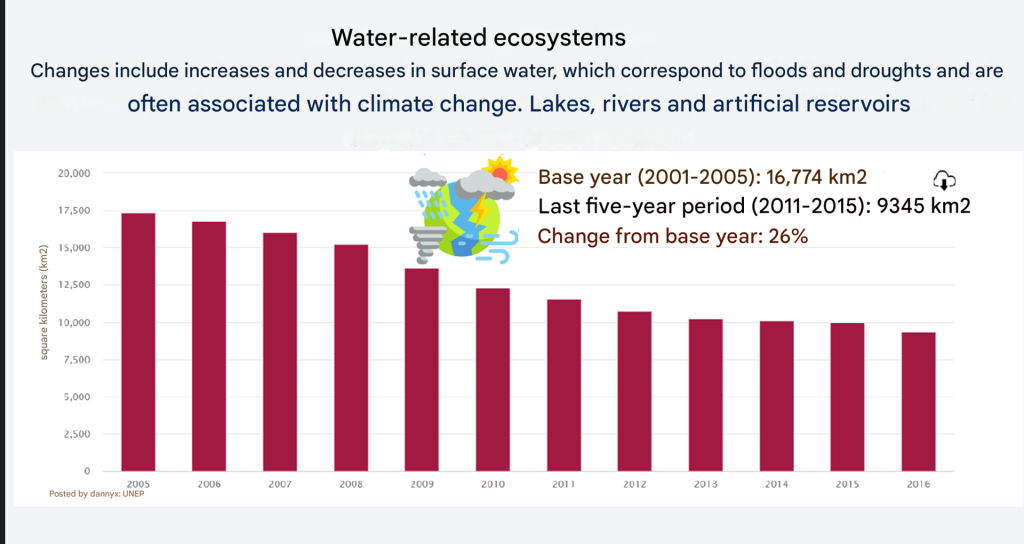
6.4.1 The Application of Modern Water Resource Management Technologies at the University
The use of modern technologies for managing water resources is increasingly being implemented at the university. For example, water consumption for landscaping can now be controlled via mobile devices. This project is part of the master’s thesis of university graduate student Qamarov Asadbek Zafar ogli.
Additionally, the university has been offering convenient and modern solutions for water resource utilization across the city of Samarkand for many years. Most importantly, within the framework of international cooperation, our university has been carrying out large-scale projects in the Aral Sea region of Karakalpakstan in collaboration with Chinese universities.
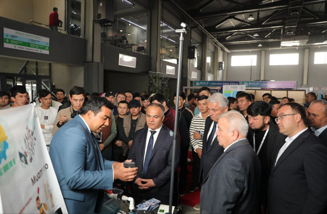
Furthermore, innovative projects developed by master’s and doctoral students are attracting the interest of pump-operating companies, leading to the signing of contracts with investors such as “GRANDFAR” and “GIDROMAKS.”
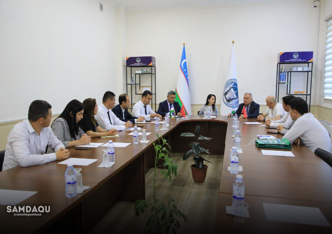
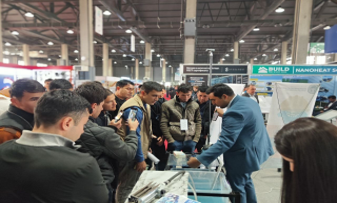
The Department of Environmental Protection has also published numerous internationally recognized articles in SCOPUS-indexed journals. Moreover, at internationally organized events such as “INNOWEEK: Borderless Ideas” and “SOFEXPO,” which are designed for investors and young startups, the innovative projects of SamDAQU master’s and doctoral students are receiving positive attention.
6.4.2 Specialized Laboratory and International Collaboration on Water Resources
The university hosts a specialized laboratory where not only water intended for university consumption is analyzed, but also samples from water facilities supplying various districts are examined. These districts include Samarkand, Oqdaryo, Nurobod, Ishtixon, Bulungur, Jomboy, and Payariq.
Additionally, the university annually organizes various international conferences. During these events, highly qualified local and international experts analyze challenges and propose solutions related to water resource management.
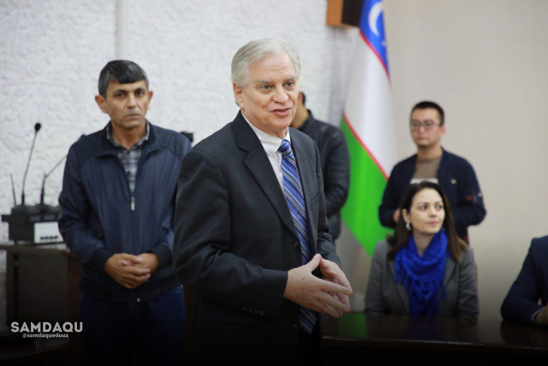
Our professors and doctoral students have delivered lectures to Chinese audiences on the utilization of water resources in Central Asia and global sources. Experts from various countries also visit the university to engage in knowledge exchange. For example, an open discussion on local and global environmental sustainability was held with John Capesece from the University of Florida.
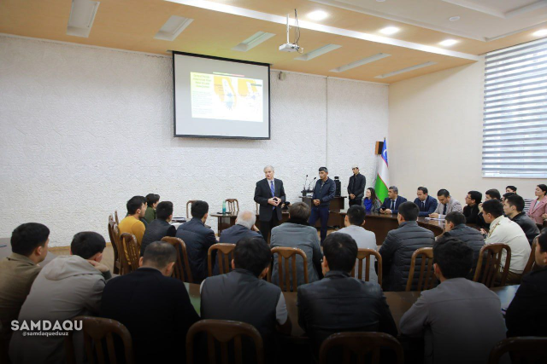
Innovative Technologies for Environmental Protection Discussed
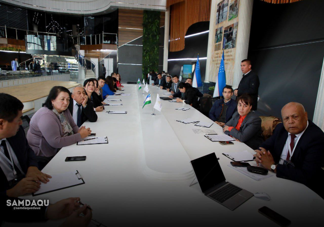
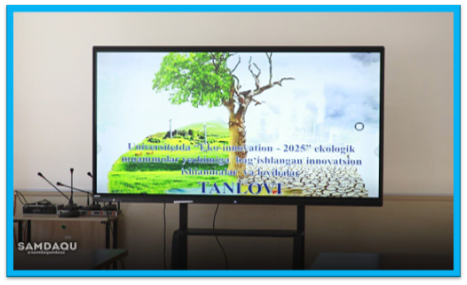
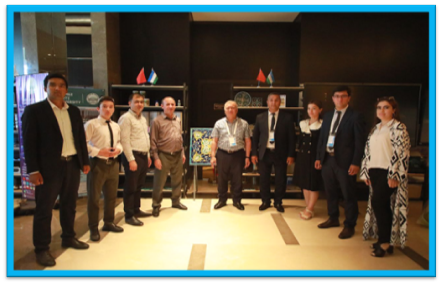
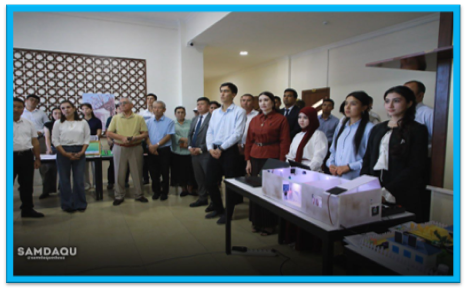
An international scientific and technical conference on “Innovative Technologies in Environmental Protection” was held at the Mirzo Ulugbek Samarkand State Architectural and Construction University. The event brought together leading experts in the field, foreign and local scientists, doctoral candidates, and young researchers.
Presentations and discussions were organized around the following key areas:
🟢 Monitoring of environmental and climate change
🟢 Development of green energy through waste recycling
🟢 Innovative technologies and artificial intelligence in water resource protection
🟢 Challenges in training specialists in the field of environment and climate change
🟢 Ecological protection technologies in architecture and construction
Let me know if you’d like this adapted for a press release or academic summary.
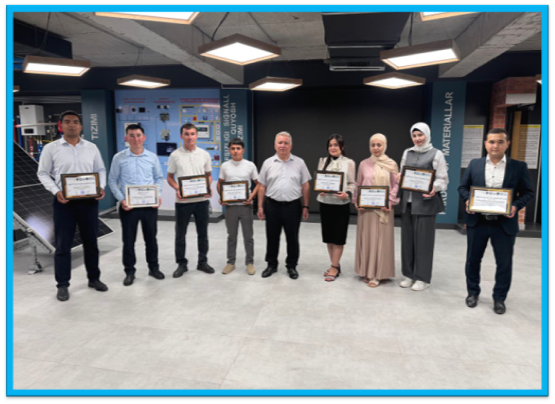
On November 8, 2024, competitions were held in the following categories:
•“Modern Technological Solutions for Water Saving” (models and prototypes)
•“Smart Technologies for Supplying the Population with Clean Drinking Water” (scientific idea presentation)
•“Water is Life” (photo exhibition)
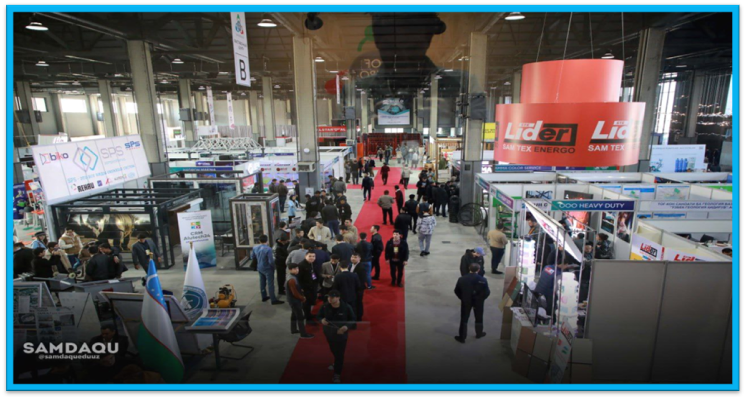
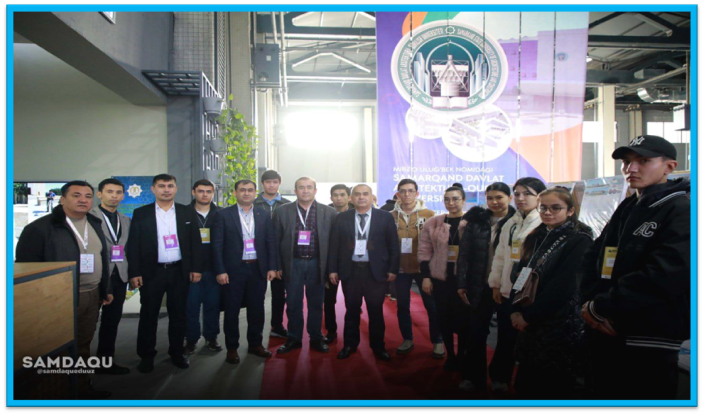
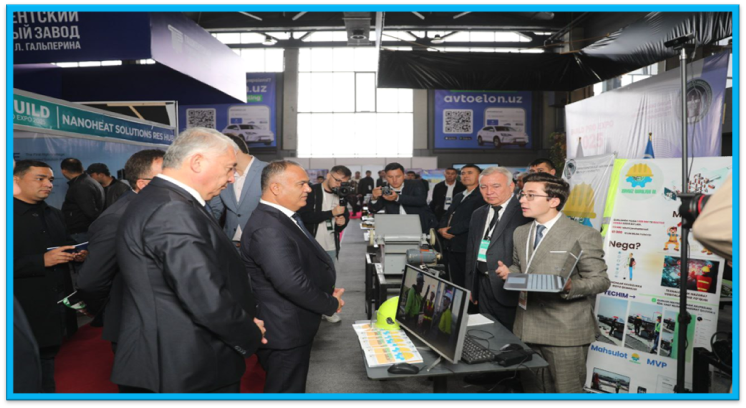
During the conference, valuable proposals and recommendations were made regarding environmental sustainability, the application of innovative technologies, and reducing the impact on the environment. This international forum serves to advance scientific research in the field of environmental studies, find science-based solutions to ecological problems, and strengthen the exchange of experience.
6.5.4 There are several stable water intake facilities on the university campus that provide a continuous supply of water.
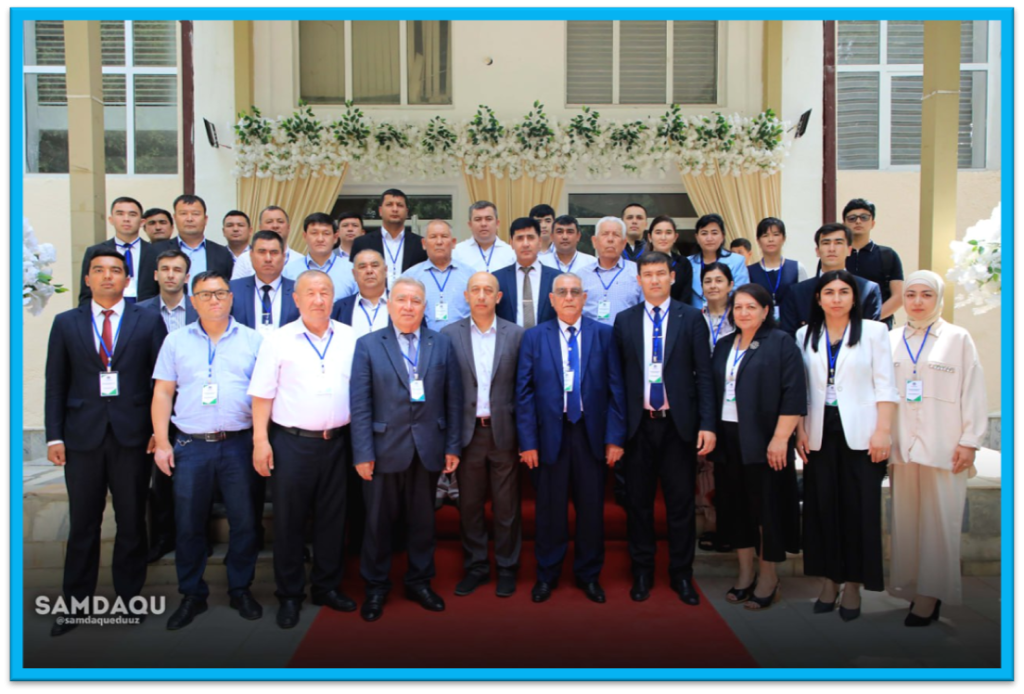
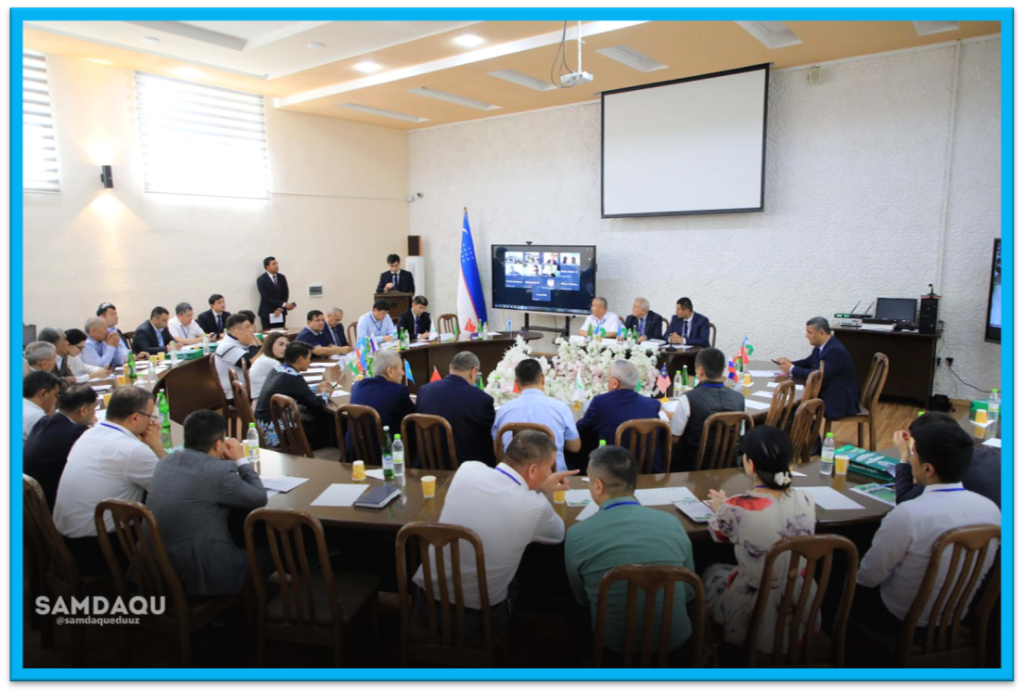
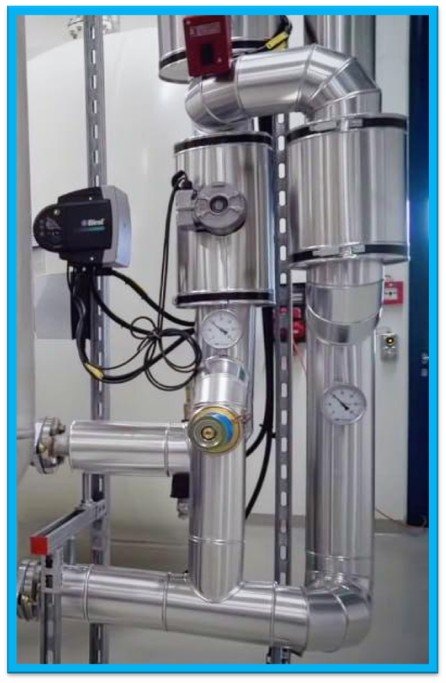
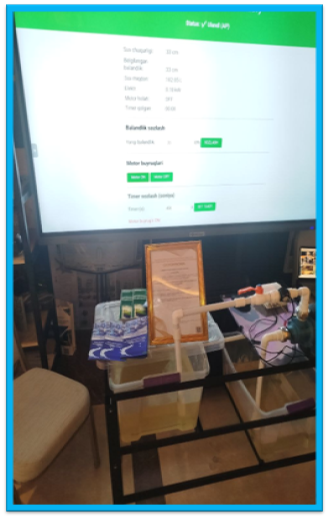
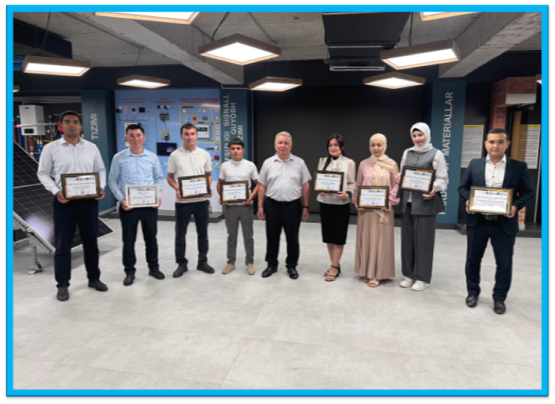
At the university, conferences on the proper use of water resources are organized, along with award-based competitions aimed at encouraging student interest and enthusiasm. Additionally, our master’s student Qamarov Asadbek Zafar ogli has developed an application for integrated water supply management and monitoring. This technology has shown promising application in the irrigation systems of Samarkand, Sirdaryo, and Jizzakh regions.
Moreover, SamDAQU has a large number of young people proficient in foreign languages, and lectures are organized with international experts in environmental engineering. As part of a 3-month program, nine English-speaking master’s students participated in the “Sustainable Development and Sustainability Science” (SDSS) initiative and earned international academic credits.
“Web of science” “Scopus” “Google academy”
1 Norqulov Bahodir Musulmonovich 1983 asosiy Atrof muhit muhandisligi Kafedra mudiri erkak PhD dotsent https://www.webofscience.com/wos/author/record/HKO-3166-2023 https://www.scopus.com/authid/detail.uri?authorId=57222365502 https://scholar.google.ru/citations?hl=ru&user=0-b5lGUAAAAJ&view_op=list_works&sortby=title
2 Gadayev Abror Niyazovich 1959 ichki Atrof muhit muhandisligi Kafedra professori erkak PhD professor https://www.scopus.com/authid/detail.uri?authorId=55920834000 https://scholar.google.com/citations?user=QbogFU8AAAAJ&hl=ru
3 Jurayev Olmos Joniqulovich 1957 asosiy Atrof muhit muhandisligi v.b. professor erkak PhD dotsent https://scholar.google.ru/citations?user=3S3pi00AAAAJ&hl=ru&oi=sra
4 Yakubov Kutfidin Asliyevich 1954 asosiy Atrof muhit muhandisligi v.b. professor erkak PhD dotsent https://scholar.google.com/citations?user=L5Sp3IsAAAAJ&hl=ru
5 Mirzayev Abdialim XXX 1953 asosiy Atrof muhit muhandisligi dotsent erkak PhD dotsent https://scholar.google.com/citations?user=YkoNUx0AAAAJ&hl=ru
6 Saidov Salim Saidovich 1953 asosiy Atrof muhit muhandisligi dotsent erkak PhD dotsent https://scholar.google.com/citations?user=3S3pi00AAAAJ&hl=ru
7 Xalilov Niʼmatillo XXX 1955 asosiy Atrof muhit muhandisligi katta o‘qituvchi erkak PhD mavjud emas https://scholar.google.com/citations?user=UvDuoxUAAAAJ&hl=ru
8 Nurmatov Panji Abdumuratovich 1980 asosiy Atrof muhit muhandisligi v.b. dotsent erkak PhD mavjud emas https://www.webofscience.com/wos/author/record/39666066 https://www.scopus.com/authid/detail.uri?authorId=57218419377 https://scholar.google.ru/citations?user=_-3mHYwAAAAJ&hl=ru
9 Kurbonova Umida Utkirovna 1982 asosiy Atrof muhit muhandisligi katta o‘qituvchi ayol PhD mavjud emas https://www.scopus.com/authid/detail.uri?authorId=57209308074 https://scholar.google.com/citations?user=DhTSBKoAAAAJ&hl=ru
10 Jurayev Anvar Haydar o‘g‘li 1990 asosiy Atrof muhit muhandisligi katta o‘qituvchi erkak PhD mavjud emas https://www.scopus.com/authid/detail.uri?authorId=58855596000 https://scholar.google.com/citations?user=YZb58JkAAAAJ&hl=ru
11 Alladustov Ulug‘murat Baxriyevich 1957 asosiy Atrof muhit muhandisligi katta o‘qituvchi erkak mavjud emas mavjud emas https://scholar.google.com/citations?user=HG5NP7gAAAAJ&hl=ru
12 Boboyeva Gulmira Sadikovna 1961 asosiy Atrof muhit muhandisligi v.b. dotsent ayol mavjud emas mavjud emas https://www.scopus.com/authid/detail.uri?authorId=55921041300 https://scholar.google.com/citations?user=KG56NqQAAAAJ&hl=ru
13 Xushvaktov Buta Oralovich 1968 asosiy Atrof muhit muhandisligi v.b. dotsent erkak mavjud emas mavjud emas https://scholar.google.com/citations?user=uhrrrFwAAAAJ&hl=ru
14 Xolov Farrux Mamalatifovich 1980 asosiy Atrof muhit muhandisligi katta o‘qituvchi erkak mavjud emas mavjud emas https://scholar.google.com/citations?user=laFSVicAAAAJ&hl=ru
15 Tadjiyeva Durdona Oblakulovna 1987 ichki Atrof muhit muhandisligi katta o‘qituvchi ayol mavjud emas mavjud emas https://www.scopus.com/authid/detail.uri?authorId=57219312100 https://scholar.google.ru/citations?user=epxP4CcAAAAJ&hl=ru
16 Axmedova Feruza Isanovna 1969 asosiy Atrof muhit muhandisligi o‘qituvchi ayol mavjud emas mavjud emas https://scholar.google.com/citations?user=n_fPZdUAAAAJ&hl=ru
17 Artikboyev Xusniddin Baxriddinovich 1992 asosiy Atrof muhit muhandisligi o‘qituvchi erkak mavjud emas mavjud emas https://www.webofscience.com/wos/author/record/38581028 https://scholar.google.com/citations?user=0mUteTMAAAAJ&hl=ru
18 Ganiyeva Dilnora Umirzakovna 1989 asosiy Atrof muhit muhandisligi o‘qituvchi ayol mavjud emas mavjud emas https://scholar.google.com/citations?user=S6EHCP8AAAAJ&hl=ru
19 Sobirova Dildora Almaxammadovna 1987 asosiy Atrof muhit muhandisligi o‘qituvchi ayol mavjud emas mavjud emas https://scholar.google.com/citations?user=4rF0qLgAAAAJ&hl=ru
20 Zokirov Maʼruf Zokirjonovich 1990 asosiy Atrof muhit muhandisligi o‘qituvchi erkak mavjud emas mavjud emas https://www.webofscience.com/wos/op/publications/add-suggested-publications https://www.scopus.com/home.uri https://scholar.google.com/citations?user=hawequEAAAAJ&hl=ru
21 Mirzayev Murod Namazovich 1986 asosiy Atrof muhit muhandisligi o‘qituvchi erkak mavjud emas mavjud emas https://scholar.google.ru/citations?user=q5wKo4AAAAAJ&hl=ru22 Nodirov Dilshod Murodullayevich 1988 asosiy Atrof muhit muhandisligi o‘qituvchi erkak mavjud emas mavjud emas https://scholar.google.com/citations?user=PtQVhZAAAAAJ&hl=ru