Responsible production is the foundation of a sustainable future!
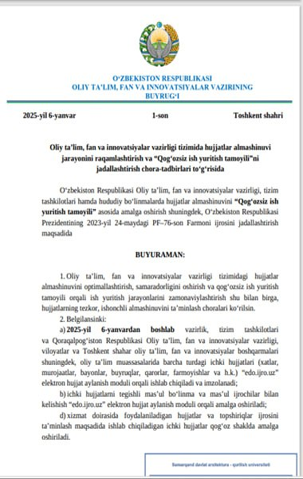
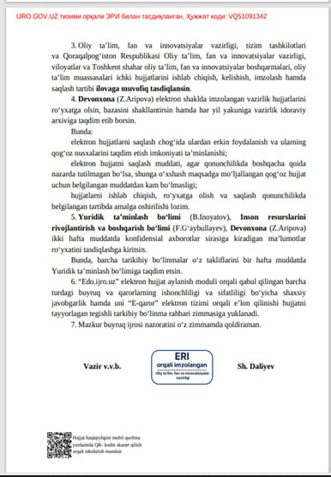
In accordance with the resolutions of the President of the Republic of Uzbekistan “On measures to implement the Strategy for Transition to a Green Economy” and the National Action Strategy for the Implementation of the Sustainable Development Goals until 2030, Samarkand State Architecture and Civil Engineering University (SamSACU) is consistently working to widely introduce the principles of responsible consumption and production in its activities.Within this framework, the university is implementing measures aimed at reducing waste volume, using resources efficiently, developing recycling systems, and raising environmental awareness. In particular, to accelerate the implementation of Presidential Decree No. PF–76 dated May 24, 2023, and in line with the initiative of the Ministry of Higher Education, Science and Innovation of the Republic of Uzbekistan to promote the “Paperless Office Management Principle” across its institutions and regional divisions, SamSACU has transitioned to a paperless document management system.The university is gradually implementing a system based on the 3R principles — Reduce, Reuse, and Recycle. Through the adoption of a digital (paperless) approach in administrative and educational processes, the consumption of paper and plastic is being reduced. Staff and students are encouraged to use both sides of paper, verify documents before printing, and rely on electronic platforms for communication and data management.
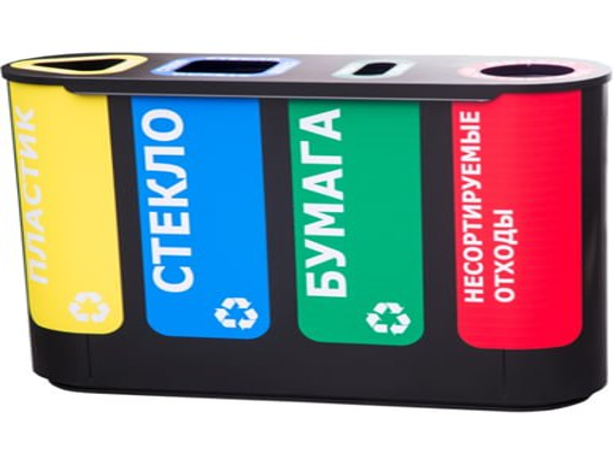
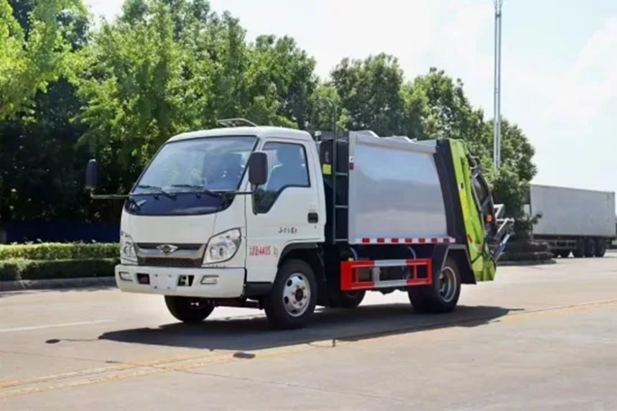
Although the university has not yet established the production of paper and plastic products, there are plans to introduce a waste sorting, recycling, and disposal system in cooperation with local environmental organizations in the near future. This initiative aims to reduce waste and promote the principles of a “circular economy.”
Organic waste is mainly generated from kitchens, cafeterias, and green areas. Food leftovers and leaves are collected separately, and part of this waste is being recycled through composting.
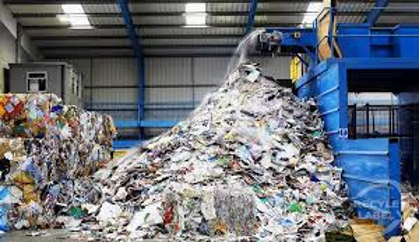
In the future, projects aimed at producing organic fertilizers and biogas from this waste are planned to be implemented. According to statistical data, last year the amount of organic waste generated was 184 tons, while this year it has decreased to 168 tons. This result is the outcome of effective internal control measures and proper waste management practices.
To further strengthen responsible consumption, the university:promotes the use of reusable containers and bags,increases the number of waste sorting points,organizes seminars on sustainable lifestyles and waste reduction,and integrates sustainability and environmental awareness topics into the educational process.Through these initiatives, Samarkand State Architecture and Civil Engineering University strives to create a sustainable, zero-waste, and environmentally responsible campus.Responsible consumption and production are becoming an integral part of the university’s culture.

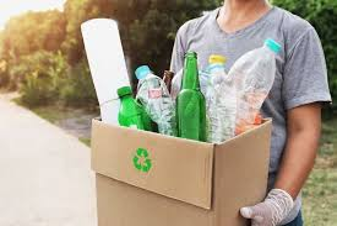
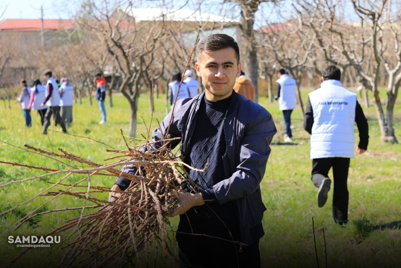
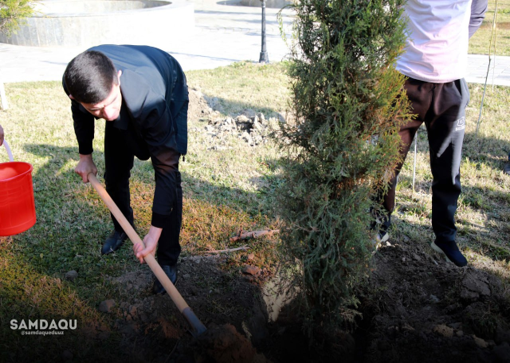
At the university, an awareness campaign was conducted under the slogan “Waste-Free Zone – A Step Towards a Clean Future.” During the event, students and local community activists gained practical skills in waste reduction, sorting, and recycling. Through this initiative, the university contributes to transforming nearby neighborhoods into waste-free areas and promotes environmental awareness among the local community.
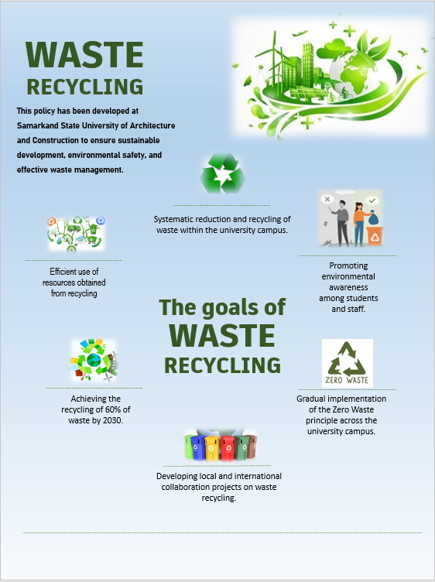
In 2024, Samarkand State Architecture and Civil Engineering University developed a comprehensive waste recycling strategy aimed at improving resource efficiency and promoting environmental sustainability over the period 2025–2030. This long-term strategy outlines a set of targeted measures and initiatives to minimize waste generation, enhance recycling processes, and implement circular economy principles across all university operations.
The strategy includes the establishment of waste sorting and collection points, the promotion of reuse and recycling practices, and the integration of sustainable resource management principles into both administrative and academic processes. It also emphasizes community engagement and environmental education, ensuring that students, staff, and the surrounding neighborhoods actively participate in creating a cleaner, waste-free, and ecologically responsible campus.
Through this forward-looking plan, the university aims to reduce environmental impact, optimize resource use, and serve as a model of sustainable waste management for higher education institutions in Uzbekistan and beyond.
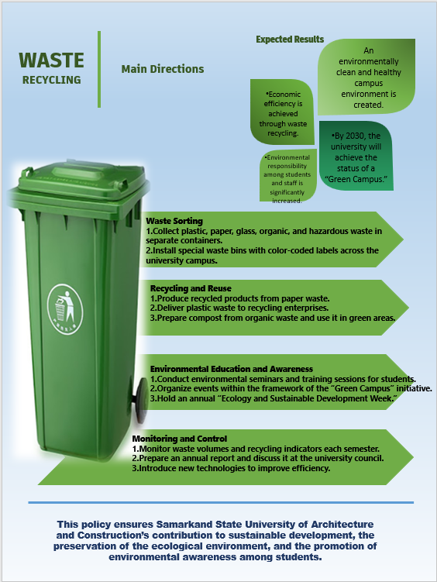
Throughout 2024, Samarkand State Architecture and Civil Engineering University organized a series of creative and practical challenges aimed at enhancing students’ environmental awareness and promoting waste recycling practices.
This initiative was implemented within the framework of Responsible Consumption and Production (SDG 12) and Environmental Protection. It actively encouraged students to participate in waste reduction, reuse, and recycling activities, fostering a culture of sustainability and ecological responsibility on campus.
During the events, challenges such as “Plastic-Free Week,” “Save Paper,” and “Create Useful Items from Waste” were organized. Students and faculty crafted various useful items from waste materials, contributing to a cleaner and more sustainable campus environment. The best works were showcased in a special exhibition, and the winners were recognized and awarded by the university administration.
These challenges not only helped reduce waste but also promoted a sustainable lifestyle and environmental responsibility among students. At the conclusion of the events, practical recommendations for expanding the culture of waste recycling on campus were developed for the following year.